You've found a design you love. It comes in gold and silver. And now you're stuck, staring at both options, toggling between product photos, trying to figure out which one is you.
It's one of the most common dilemmas in jewellery shopping, and most guides will tell you to check the veins on your wrist and call it a day. That's fine as a starting point, but it doesn't help much when you're standing in front of two beautiful options and need to actually make a decision.

We take a different approach here. The skin tone basics are covered (because you're expecting them, and they're not useless), but the real focus is on what actually drives the decision for most people: your wardrobe, your daily routine, and how much upkeep you're willing to do. Should I wear gold or silver? By the end of this guide, you'll have a clear answer, or you'll know why the answer might be both.
The Short Answer: There's No Wrong Choice
Neither gold nor silver is objectively better. Gold doesn't make you more sophisticated, and silver doesn't make you more modern. They're different aesthetics, and the right one depends entirely on how you live and what you like.
The old rules about matching metals to your skin undertone? They're guidelines at best, and in 2026 they're increasingly irrelevant. Mixed metals are one of the year's strongest jewellery trends, with gold and silver worn together deliberately and confidently. So even when you pick one to start with, you're not locked in.
What matters more than colour theory is whether the piece fits your routine. A beautiful ring that needs cleaning every week is the wrong ring for someone who wants zero-upkeep jewellery. A piece that doesn't match anything in your wardrobe will sit in a drawer. The best metal is the one you'll actually wear.
Gold Jewellery: What You're Actually Getting
When people say "gold jewellery" at this price point, they could mean several different things. The differences matter, because they affect how long the piece lasts, how it wears, and whether you'll need to think about it at all after buying.
Traditional gold plating is the most common method in affordable jewellery. A thin layer of gold is electroplated onto a base metal, usually brass or copper. It looks great initially, but the gold layer wears away over time, especially on rings and bracelets that get constant friction. Most traditionally plated pieces last between six months and two years before the base metal starts showing through. Anyone who's had a "gold" ring go silver at the edges has seen this in action.
PVD gold coating is a fundamentally different process. Instead of electroplating, the gold-coloured coating is bonded to the metal at a molecular level using Physical Vapour Deposition, a vacuum-based technique that creates an incredibly hard, thin layer. The result is a gold finish that resists scratching, tarnishing, and water. It doesn't peel or flake because it's not a surface layer in the traditional sense; it's fused to the steel beneath it.
At Kaleya, gold pieces are built on 316L surgical-grade stainless steel with our EverShield PVD+ coating. That means a warm 18k gold tone that's waterproof, hypoallergenic, and backed by a two-year colour guarantee. Swim in it, shower in it, sleep in it. The colour stays because the technology holding it there is built to last, not just to look good on arrival day. For a deeper look at how plating technologies compare, our gold plating durability guide covers the full spectrum.
In practical terms, gold jewellery complements warm tones in your wardrobe: olive, burgundy, chocolate brown, rust, cream, and mustard. It adds warmth to neutral outfits and works well with both casual and dressed-up looks. Gold has a way of making simple outfits feel more considered, which is why a plain gold chain over a white t-shirt has become such an enduring styling move.
Worth knowing: PVD gold has a consistent, even warmth that's slightly different from solid gold, which develops subtle tonal variation over years. Most people prefer the consistency because every piece in the collection matches perfectly out of the box.
Silver Jewellery: What You're Actually Getting
Silver jewellery also comes in more than one form, and the material underneath changes everything about how the piece performs.
925 sterling silver is a precious metal: 92.5% pure silver alloyed with 7.5% copper for strength. It has a bright, cool-toned shine that's been prized for centuries, and it's the standard for quality silver jewellery worldwide. Sterling silver is hypoallergenic for the vast majority of people (nickel-free), and it carries an inherent value that cheaper metals don't.
There is a trade-off, though: upkeep. Sterling silver reacts with sulphur compounds in the air, which means it develops a natural patina over time, a soft darkening that some people consider part of the charm. Anyone who prefers a bright, polished look will need to clean sterling silver pieces with a cloth every couple of weeks. It's a two-minute task, but it's a task, and it's worth knowing about before you buy.
Silver-toned stainless steel gives you the silver aesthetic with none of the upkeep. Kaleya's 316L surgical steel has a clean, cool metallic finish that never tarnishes, never needs attention, and handles water, sweat, and daily wear without any change in appearance. For people who want silver but don't want to think about care, this is the answer.
Silver jewellery pairs naturally with cooler wardrobe tones: black, white, navy, grey, lavender, and pastels. It's having a particularly strong moment in 2026, with chunky sculptural silver appearing across major fashion houses and street style alike. Silver also reads as slightly more understated than gold in most contexts, which makes it a natural fit for minimalist styling and professional settings.
Two materials, one look: Kaleya offers both 925 sterling silver and silver-toned 316L stainless steel. Same cool aesthetic, different care profiles. Sterling silver for those who appreciate precious metals and don't mind a quick polish; stainless steel for those who want zero effort. Our base metals guide explains the difference in detail.
How to Actually Decide: The Practical Framework
Forget the vein test for a moment. Here are the three questions that will get you to an answer faster and with more confidence.
1. Look at your wardrobe
Open your wardrobe and notice the dominant colours. Not what you'd like to wear, but what you actually reach for most mornings.
When your everyday rotation is built around warm neutrals (camel, beige, tan, brown, olive, cream) and warm colours (rust, burgundy, terracotta, mustard), gold will integrate more naturally into what you already own.
A wardrobe that gravitates toward cool neutrals (black, white, grey, navy) and cooler colours (blue, lavender, emerald, blush pink) will make silver feel more cohesive.
Here's what most guides don't mention: the three most common wardrobe foundations (denim, white, and black) work with both metals. Anyone whose daily uniform involves those three colours will find this particular factor is a draw.
2. Consider your lifestyle
How you spend your days determines what your jewellery needs to survive. Be honest about this one.
Active lifestyle (gym, swimming, outdoor work, travel): PVD gold or stainless steel silver. Both are completely waterproof, sweat-proof, and require zero removal or special care. They'll look the same after a pool session or a long-haul flight as they did when you put them on. That's what waterproof jewellery is designed for.
Mixed routine (some active days, some desk days): Same recommendation. Any chance of forgetting to take jewellery off before a workout or shower means going with materials that don't punish you for it.
Occasion-based wearing (special events, going out, not daily): Sterling silver is a beautiful option here, since it won't face the daily exposure that accelerates tarnish. PVD gold also works brilliantly for occasion wear when you prefer warmer tones.
3. Be honest about upkeep
This is the deciding factor for more people than will ever admit it.
Zero upkeep, nothing, ever: Go with 316L stainless steel in whichever colour you prefer. Gold PVD or silver-toned, both are true set-and-forget. No cleaning, no removing before showers, no worrying about tarnish.
Enjoy caring for your pieces: Sterling silver rewards the effort. The ritual of brightening it back up, the natural patina that develops between cleanings, the way it evolves over months of wear. Some people find the process satisfying and the changing look beautiful.
There's no hierarchy here. Neither approach is more "serious" about jewellery than the other. One values the material's heritage; the other values convenience. Both are completely valid.
The Materials at a Glance
| Factor | Gold (PVD on 316L Steel) | Silver (925 Sterling) | Silver (316L Steel) |
|---|---|---|---|
| Tone | Warm 18k gold | Cool, bright silver | Cool, neutral metallic |
| Waterproof | Yes, fully | Water-safe, but accelerates tarnish | Yes, fully |
| Tarnish resistance | Won't tarnish | Develops patina; needs cleaning | Won't tarnish |
| Hypoallergenic | Yes, nickel-free | Yes, nickel-free | Yes, nickel-free |
| Care needed | None | Silver cloth every 1-2 weeks | None |
| Best for | Daily wear, active lifestyles, warm wardrobes | Occasion wear, precious metal lovers, cool wardrobes | Daily wear, active lifestyles, cool wardrobes |
| Guarantee | Two-year colour guarantee | Precious metal, lasts indefinitely with care | Inherently corrosion-resistant |
What About Skin Tone?
The classic advice goes like this: check the veins on the inside of your wrist in natural light. Blue or purple veins suggest cool undertones, where silver is the traditional recommendation. Green veins suggest warm undertones, pointing toward gold. A mix of both means neutral undertones, and either metal works.
This isn't wrong, exactly. Warm metals do tend to complement warm skin tones, and cool metals tend to complement cool skin tones. But treating this as a rule rather than a loose suggestion leads people to avoid metals that might actually look great on them.
Plenty of people with warm undertones look striking in silver. The contrast can be more interesting than the harmony. And gold on cool-toned skin creates a rich visual tension that many people find more dynamic than a "matching" metal. There's also the question of what you're wearing alongside the jewellery. A warm-toned person in a navy outfit might find silver ties the look together better than gold would.
Use the vein test as one input, not the answer. Your wardrobe, your personal taste, and how the metal makes you feel when you put it on will tell you more than your veins ever will.
The Third Option: Wear Both
Still can't choose after reading this far? That might be your answer. Mixed metals aren't a compromise. In 2026, they're a deliberate style choice and one of the year's defining jewellery trends.
Old "rules" about matching all your metals disappeared somewhere around 2023, and they're not coming back. Gold earrings with a silver necklace, a mixed ring stack, warm and cool metals layered on the same wrist: it all works when you approach it with intention rather than accident.
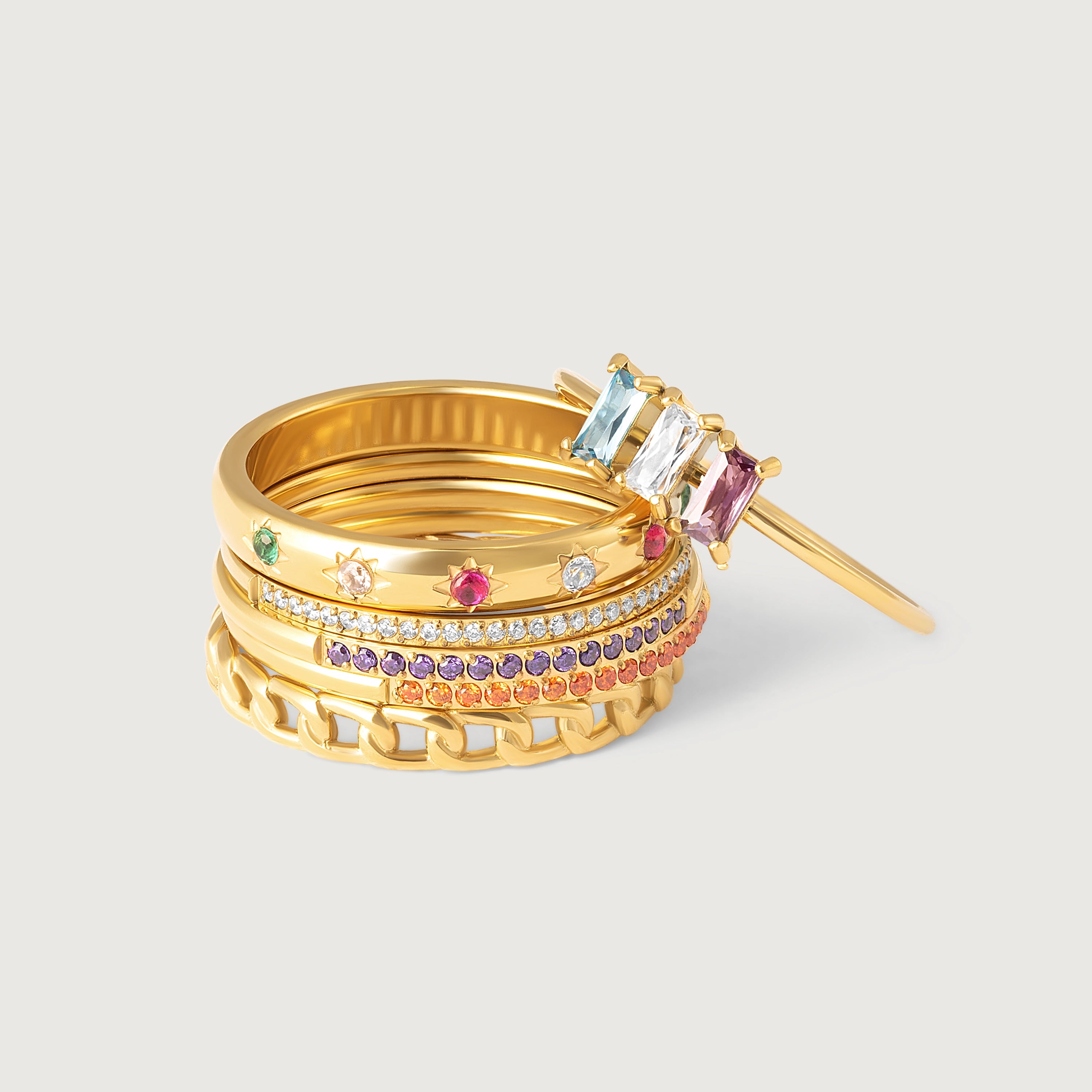
A few principles that make mixing look considered rather than chaotic. Anchor your look with one dominant metal and let the other play a supporting role. Match by style rather than colour: a chunky gold ring and a chunky silver ring look like they belong together, even though the metals differ. And for anyone nervous about it, start with your ears. Mixing studs across multiple piercings is the easiest entry point because the pieces are small enough that the contrast feels subtle.
We've written a full guide on this: Mixing Metals: Can You Wear Gold Plated with Silver? covers the styling techniques in detail, including how to mix across categories (earrings, necklaces, rings, bracelets) without it feeling random.
Building Your Collection: Where to Start
Once you've decided on a direction, or decided to go with both, the next question is what to buy first. The strongest starting point is one versatile piece you can wear every day, because that's the piece that becomes part of your personal style rather than something you save for specific occasions.
Starting with gold
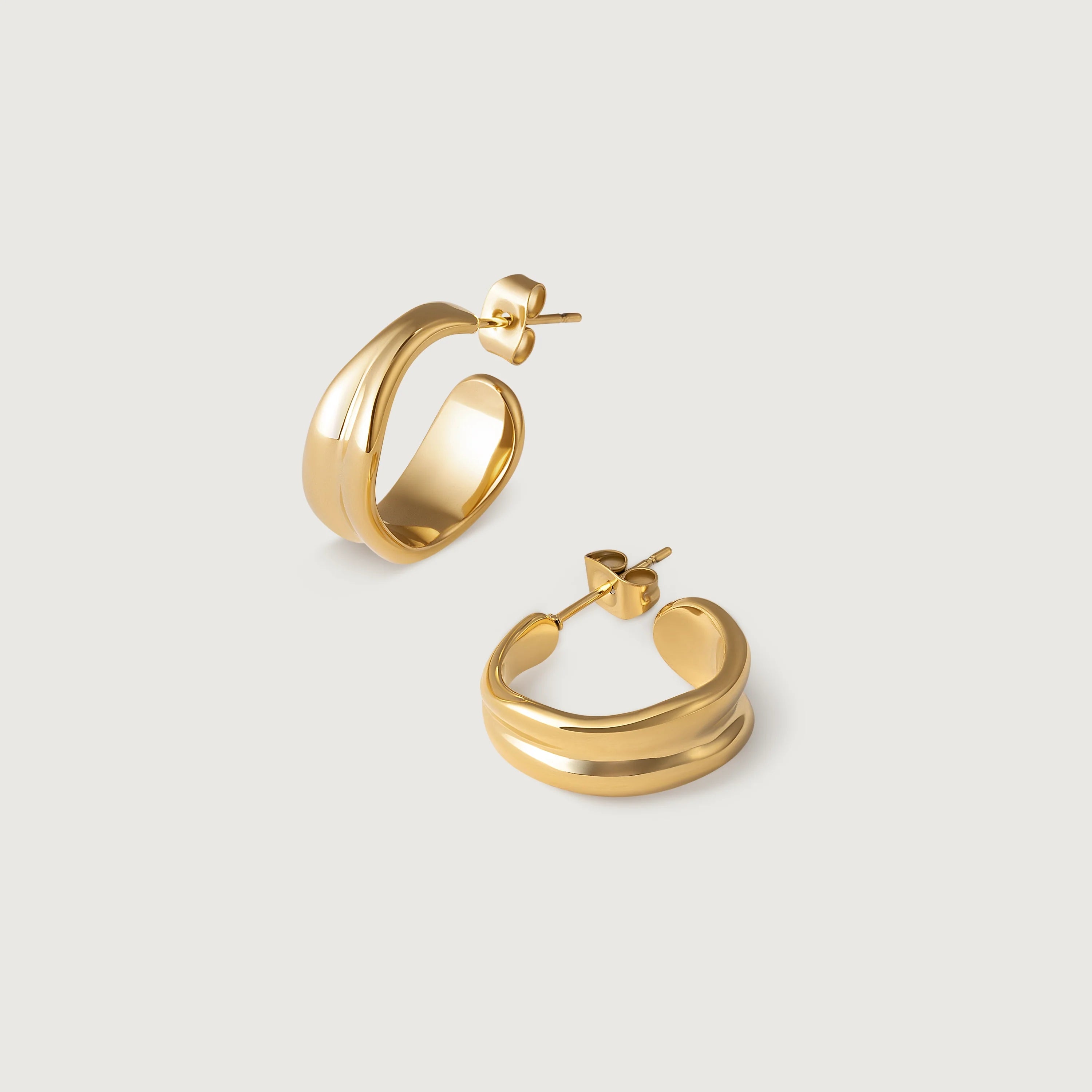
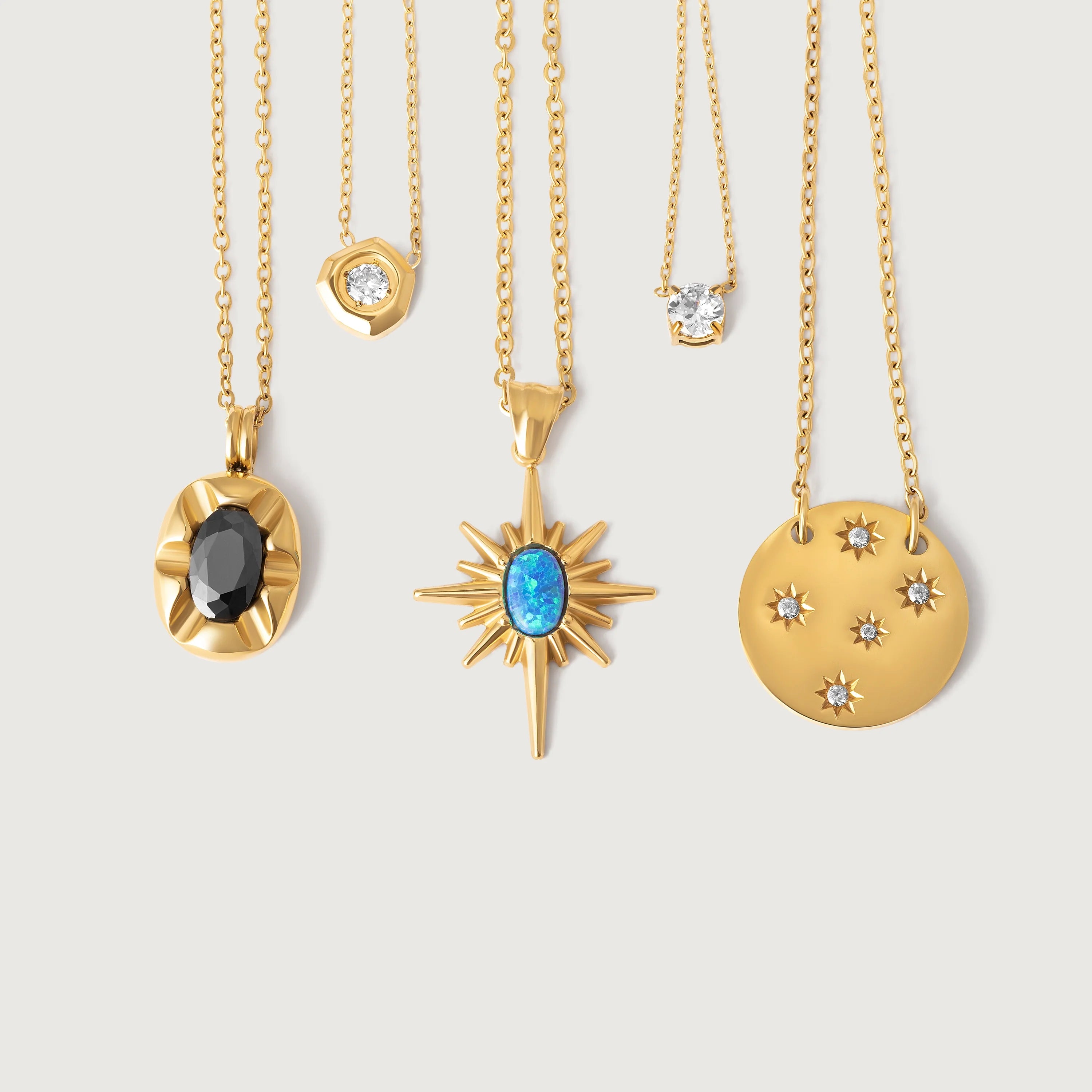
A pair of gold hoops or a simple gold chain are the two most versatile entry points. Hoops transition from casual to evening without effort, and a chain works under or over virtually any neckline. From there, build outward: add a ring for your hands, or a bracelet when your wrists feel bare. PVD gold means every piece in your collection will match in tone, so you can buy over time without worrying about shade differences between purchases.
Starting with silver
Sterling silver studs or a clean silver chain serve the same role: a foundation piece that works with everything. Silver stacking rings are another strong first buy, especially for anyone who likes building a look over time. Those choosing stainless steel for the zero-upkeep route follow the same logic: one daily piece first, then expand from there.
Starting with both
Pick one gold daily piece and one silver daily piece. Rotate them by outfit, or wear them together from the start. A gold necklace paired with silver rings (or vice versa) is one of the easiest mixed-metal combinations to pull off because the distance between them on your body prevents them from competing visually. Over time, you'll naturally gravitate toward one metal more than the other for certain categories. Most people who wear both end up with preferences like "gold for necklaces, silver for rings" that feel instinctive rather than planned.
Common Questions
Is gold or silver jewellery better for sensitive skin?
When it comes to gold vs silver for sensitive skin, both can be safe. It depends on the base material, not the colour. Nickel is the most common cause of jewellery allergies, so any nickel-free metal works well. 316L stainless steel (whether gold PVD or silver-toned) and 925 sterling silver are all hypoallergenic. Anyone who's reacted to jewellery before was almost certainly reacting to nickel in a cheap base metal, not the gold or silver finish. Our sensitive skin guide goes deeper into what to look for.
Does silver jewellery tarnish?
Sterling silver (925) develops a natural patina over time as it reacts with sulphur compounds in the air. A quick clean with a silver cloth restores its brightness in under two minutes. For anyone who'd rather not deal with this at all, silver-toned 316L stainless steel gives you the same cool aesthetic with zero tarnishing, ever.
Can you wear gold and silver jewellery together?
Yes, and it's one of the strongest jewellery trends right now. The old rule about matching metals is thoroughly outdated. The key is mixing with intention: anchor with one dominant metal, match pieces by style rather than colour, and build contrast gradually. Our mixing metals guide covers the full approach.
Is gold jewellery more expensive than silver?
At the accessible price point where most people shop, the difference is minimal. PVD gold and sterling silver pieces are comparably priced, so the choice is aesthetic, not financial. Solid gold is a different conversation entirely (and a much higher price bracket), but for everyday gold jewellery vs silver jewellery, choose based on what you like rather than what you can afford.
What metal jewellery is best for everyday wear?
PVD-coated 316L stainless steel in either gold or silver, when the priority is zero upkeep. It's waterproof, scratch-resistant, hypoallergenic, and keeps its colour without any care. Sterling silver is a beautiful everyday option too, but it does benefit from occasional attention with a cleaning cloth. The right answer depends on whether you value the precious-metal heritage of silver or the complete convenience of stainless steel.
Does gold or silver suit me better?
Your wardrobe, lifestyle, and care tolerance will tell you more than a skin tone test. Mostly warm tones and an active routine? PVD gold is a strong fit. Wardrobe runs cool and you prefer a more understated look? Silver (in either sterling or stainless steel) is the natural choice. And for anyone still torn: start with one, and add the other later. There's no wrong answer.
Find the Metal That Fits Your Life
Whether you lean gold, silver, or both, every piece is built on materials that last. PVD gold you'll never need to think about. Sterling silver that ages beautifully. Your call.
Shop Gold Shop Silver Shop Waterproof