Or maybe you're the person who's accumulated a drawer full of tarnished rings because you keep forgetting to take them off before washing up. Perhaps you've given up on wearing jewellery to the gym altogether because nothing seems to survive your training sessions intact.
Here's the thing—you shouldn't have to choose between looking put-together and living your actual life. Genuinely waterproof jewellery exists, and once you know what to look for, you'll wonder why you ever put up with pieces that couldn't keep pace with you.
The Truth About "Waterproof" Claims
Walk into most jewellery shops and you'll hear all sorts of creative terminology: "splash-proof," "water-friendly," "suitable for active lifestyles." It's marketing speak that means very little.
Here's what actually matters: Can you wear this piece in the shower every single day for six months without it tarnishing? Can it handle your swimming sessions—chlorine and all—twice a week? Will it survive your sweaty HIIT classes?
Truly waterproof jewellery isn't just about surviving a bit of rain. It's about withstanding real, repeated exposure to water, chemicals, sweat, and heat without falling apart or turning your skin green.
The brands getting this right aren't just slapping coatings on cheap metal and hoping for the best. They're using materials that naturally resist corrosion, employing advanced bonding technologies, and—here's the crucial bit—actually testing their pieces in real-world conditions. We're talking proper submersion in chlorinated water, exposure to shower steam and soap, wear during intense workouts. Not just a quick dip and a prayer. If you're curious about the chemistry behind what makes jewellery truly waterproof, the science behind waterproof jewelry explains how different materials and coatings actually work.
When you're shopping, ask yourself: Does this brand tell me exactly what materials they've used? Do they explain their testing process? Or are they being deliberately vague because their jewellery can't actually back up the claims?
Materials That Actually Work (And the Ones That Definitely Don't)
Let's talk about what's actually sitting against your skin when you buy waterproof jewellery, because this determines everything.
Stainless Steel: The Workhorse
If you're serious about jewellery that performs, stainless steel—specifically surgical-grade 316L—is your answer. This isn't the cheap stuff that rusts in your bathroom. Medical-grade stainless steel is what they put inside people's bodies because it doesn't corrode, doesn't cause reactions, and lasts indefinitely.
Here's why it works: stainless steel contains chromium, which forms an invisible protective layer when exposed to oxygen. Scratch that layer? It reforms automatically. It's essentially self-healing against corrosion. That's why your stainless steel water bottle doesn't rust, and it's why stainless steel jewellery can handle daily showers, pool sessions, and sweaty workouts without batting an eyelid.
For most people living active lives, this is the sweet spot—durable, affordable, and genuinely hypoallergenic.
The Gold-Plated Gamble
Right, let's address the elephant in the room. Most gold-plated jewellery being sold as "waterproof" absolutely is not. Traditional gold plating is a microscopically thin layer of gold electroplated onto base metal (usually brass or copper). Water finds its way through eventually, the base metal oxidises, and suddenly you're dealing with green skin and flaking gold. What really happens when gold-plated jewellery gets wet isn't pretty—the process damages both the jewellery and potentially your skin.
But—and this is important—PVD gold plating is a completely different beast. Physical Vapour Deposition bonds gold to the base metal at a molecular level. It's exponentially more durable. The catch? It needs to be thick enough (at least 2.5 microns) and applied properly.
So if you're drawn to gold-toned pieces, you need to ask: "Is this PVD coated, and what's the coating thickness?" If the seller can't answer, walk away. If they say "gold-plated" without specifying PVD, assume it won't last. Understanding how long gold plating really lasts under different conditions helps set realistic expectations about what you're buying.
What About Silver and Solid Gold?
Sterling silver tarnishes. That's just chemistry. However, sterling silver with a rhodium coating can perform reasonably well in water—for a while. Eventually, that coating wears through, especially at friction points. If you shower twice daily and swim regularly, coated silver will need replacing or re-coating within a year or two.
Solid gold (14K or 18K) is genuinely waterproof and won't tarnish ever. It's an investment, but if you're building a collection to last decades, it delivers. Lower karat gold (below 14K) contains more alloy metals, which can include problematic materials in cheaper pieces.
The Avoid-At-All-Costs List
Some materials are being marketed as waterproof when they categorically are not:
- Regular brass or copper (even coated—it's a temporary fix)
- Thin gold or silver plating under 2 microns
- Anything with glued components (the glue fails)
- Jewellery incorporating fabric, leather, or cord
- "Fashion jewellery" from fast fashion brands making waterproof claims
If it seems too cheap to be true, it probably is. When you're shopping for jewellery on any budget, knowing which compromises are acceptable and which will leave you with tarnished pieces is essential.
Matching Jewellery to Your Actual Life
This is where most advice falls apart—it's all generic recommendations that don't account for how you actually live. Let's get specific.
You're a Regular Swimmer
Chlorine is brutal. It's designed to kill organisms by breaking down organic compounds, and it'll happily attack the protective coatings on your jewellery too. If you're swimming laps three times a week, you need stainless steel or solid gold. Nothing else will consistently hold up.
Saltwater swimmers have it slightly easier—salt is less chemically aggressive than chlorine—but you'll want smooth designs without crevices where salt crystals can accumulate and corrode over time. For inspiration on pieces that work brilliantly for beach days and water activities, check out how to style waterproof jewellery at the beach—these styling principles apply equally to pool swimming.
The one non-negotiable habit: rinse your jewellery with fresh water after every swim. Thirty seconds under the tap removes chlorine or salt residue before it can do damage. Make it as automatic as rinsing your swimsuit.
You Live at the Gym
Sweat isn't just water—it's acidic and full of compounds like urea and sodium that react with metals. If you're training intensely five or six days a week, your jewellery faces a chemical assault every session.
Stainless steel again proves its worth here. It's why fitness trackers and sports watches predominantly use it. But also think practically: weightlifting with rings that have protruding stones? You're asking for damaged knuckles and lost gemstones. Delicate chain necklaces during burpees? They'll snap eventually.
Go for pieces that sit close to your body—snug-fitting hoops rather than dangly earrings, smooth bands rather than ornate rings, secure bracelets rather than loose chains. Your jewellery should move with you, not against you.
You Just Want to Shower Normally
Maybe you're not an athlete—you just find it incredibly annoying to remove jewellery before every shower. Fair enough. But showering actually presents unique challenges: hot water, steam, soap, shampoo, conditioner—all contain chemicals that interact with different metals.
The pieces that handle this best are simple in construction. Plain hoops with no moving parts. Solid pendant necklaces rather than chains with intricate links. Bands without stones or settings where soap can accumulate.
And here's something nobody tells you: cheap soap can be more damaging than expensive products. Harsh detergents and sulphates accelerate the breakdown of metal coatings. If you're showering with jewellery daily, using gentler products actually extends your jewellery's lifespan.
You Need Versatile, All-Day Pieces
Perhaps your routine is varied—office work some days, gym sessions others, occasional swimming, frequent handwashing throughout the day. You want jewellery that handles everything without constant removal.
This is where thoughtful design choices matter. A pair of classic stainless steel studs transitions from morning swim to afternoon meetings seamlessly. A simple chain necklace looks polished at dinner but survives your lunchtime run. A plain band stays comfortable through temperature changes and activity shifts.
The smartest investment? A small core collection of truly waterproof, versatile basics that work with your entire life, not just specific activities.
The Skin Reaction Problem Nobody Warns You About
Here's something crucial that most waterproof jewellery guides completely ignore: water exposure dramatically increases your risk of skin reactions.
When jewellery gets repeatedly wet, any protective barriers between your skin and the base metal break down faster. Metal ions leach out. Add body heat, sweat, and friction from movement, and you've created the perfect storm for allergic reactions.
Nickel is the usual culprit. It's cheap, adds durability to alloys, and causes reactions in roughly 10-20% of people—particularly women. You might not have reacted to dry jewellery, but start wearing that same piece in the shower daily, and suddenly you're dealing with itchy, red, irritated skin.
What to Watch For
Your skin turning green means copper is oxidising and leaching. Black marks indicate silver tarnish transferring. But the really problematic symptoms are itching, burning, redness, bumps, or blisters where jewellery sits. These can develop immediately or gradually over weeks.
If you notice any of these, stop wearing the piece immediately. Continuing to expose your skin to allergens can actually worsen your sensitivity and trigger reactions to other metals you previously tolerated.
Genuinely Hypoallergenic Options
Don't just trust "hypoallergenic" labels. Look for:
- Explicit nickel-free certification
- Surgical-grade or medical-grade metal specifications
- Clear alloy composition information
- Independently verified testing results
Stainless steel 316L is properly hypoallergenic because its chromium oxide layer prevents nickel leaching despite containing some nickel in the alloy. Titanium and pure gold are even safer for highly sensitive skin.
This matters especially for waterproof jewellery because you're wearing it during activities—workouts, swimming—when your pores are open and your skin is more permeable. If your jewellery isn't genuinely hypoallergenic, you're setting yourself up for problems.
Smart Style Choices That Actually Last
Different jewellery types perform differently in water, so choosing the right style for your needs makes a massive difference.
Earrings
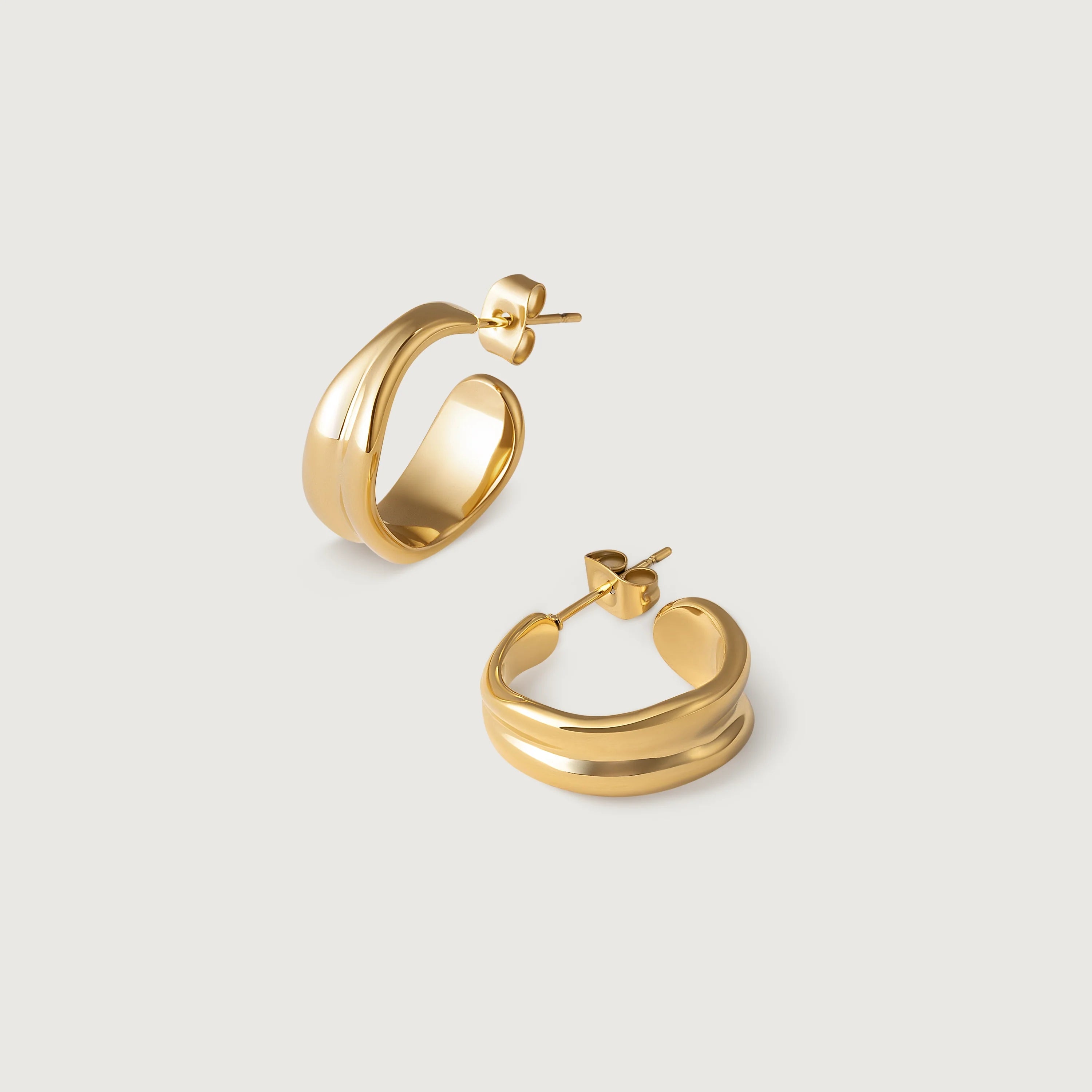
Studs with secure backs are your most reliable option. They stay put during any activity. Hoops work brilliantly if they have proper closures—hinged or clicking mechanisms rather than removable wires that can slip out mid-swim. Avoid delicate dangles for anything vigorous; they tangle and the connection points take stress. Browse our waterproof earrings collection to see designs built specifically for active wear.
Necklaces
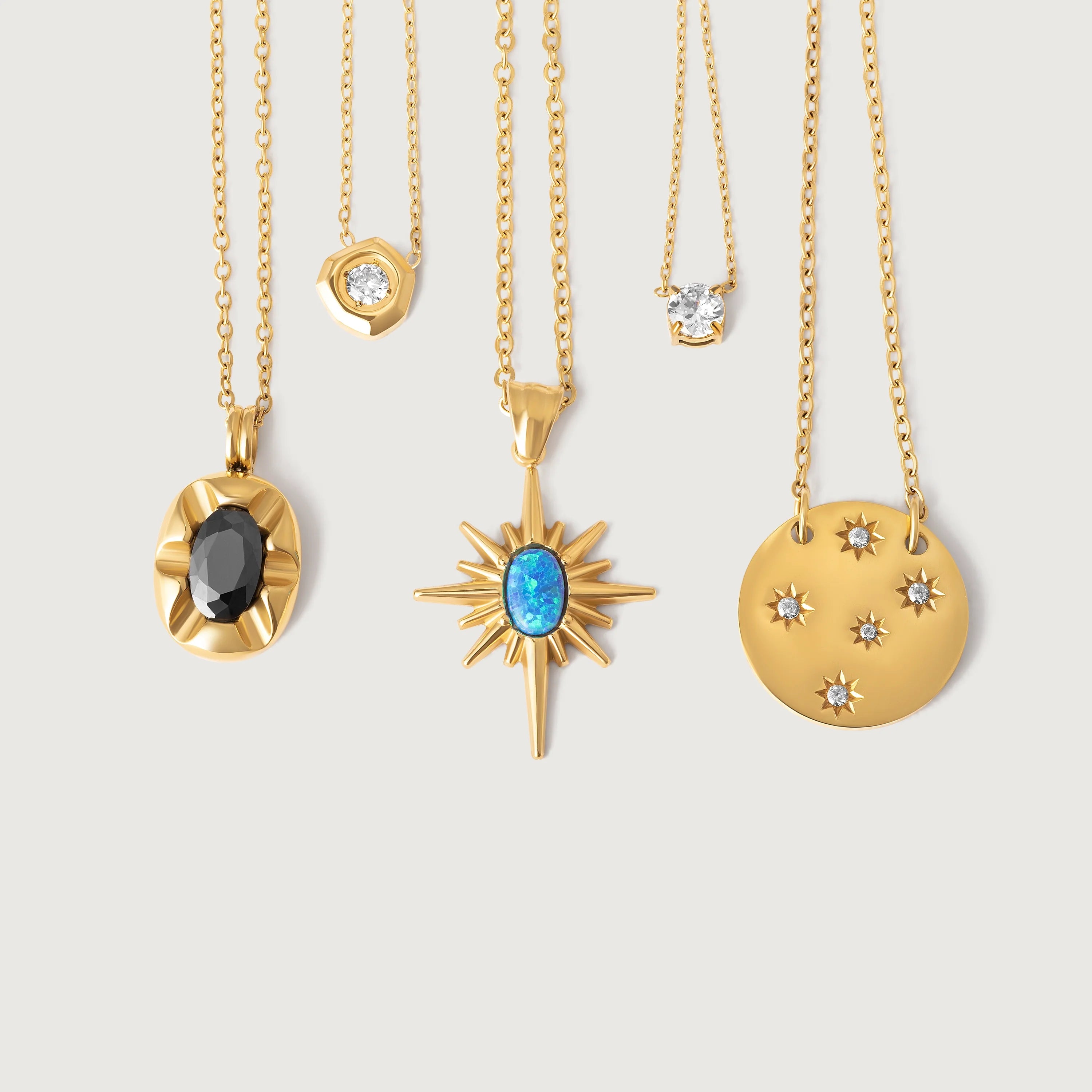
Cable chains and box chains offer durability without weak points. Snake chains and wheat chains might look elegant, but their intricate construction creates places for water to collect and eventually corrode. For pendants, look for one-piece designs or bezel settings rather than prong settings with gaps. Our waterproof necklaces feature these durable construction methods that handle daily water exposure.
Rings
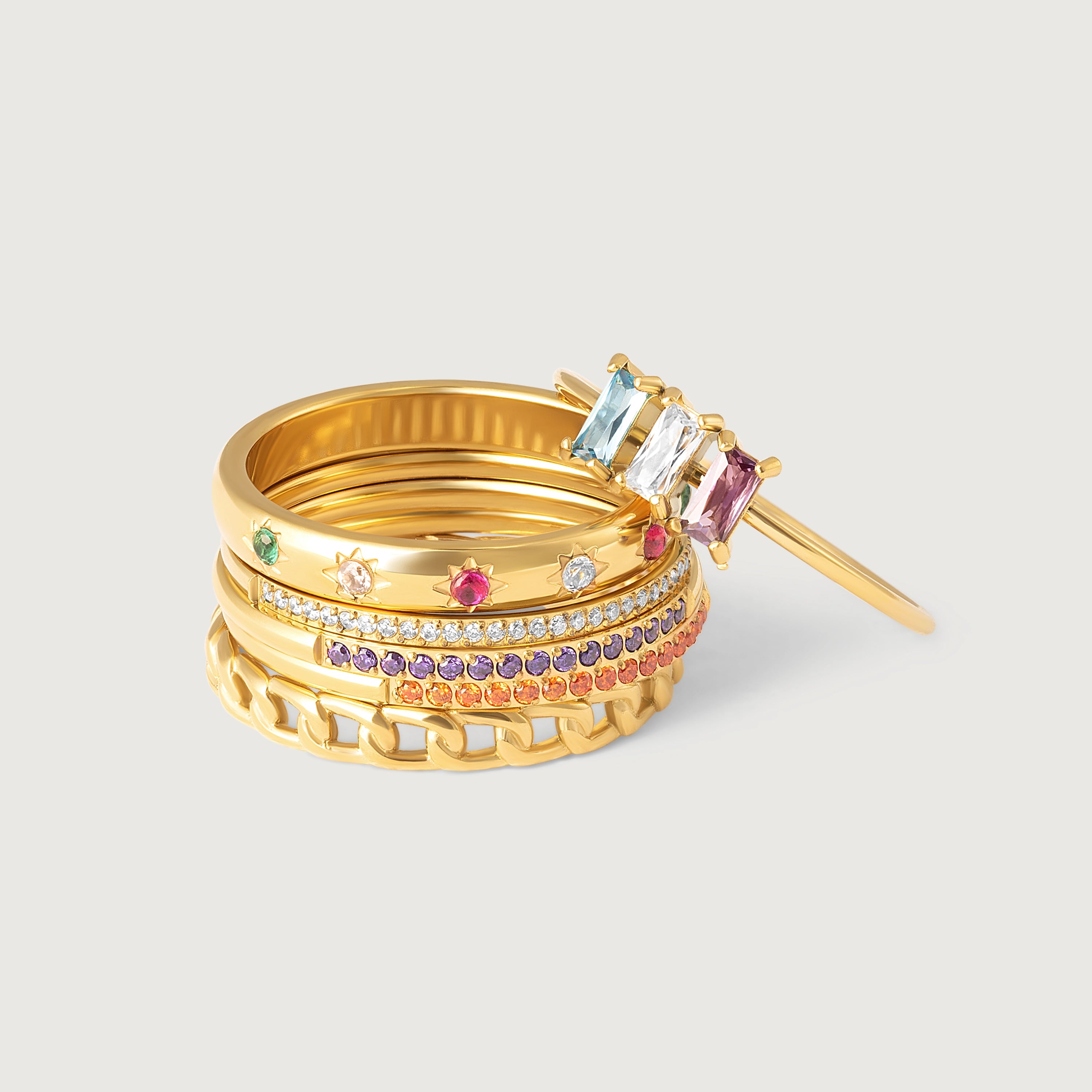
Plain bands are bombproof. If you want stones, bezel settings encircle the stone completely, protecting it from water infiltration and impact. Prong settings create tiny gaps where shower gel accumulates and chlorine attacks, potentially loosening stones over time. Check out our waterproof rings collection for styles designed to withstand constant wear without compromise.
Bracelets
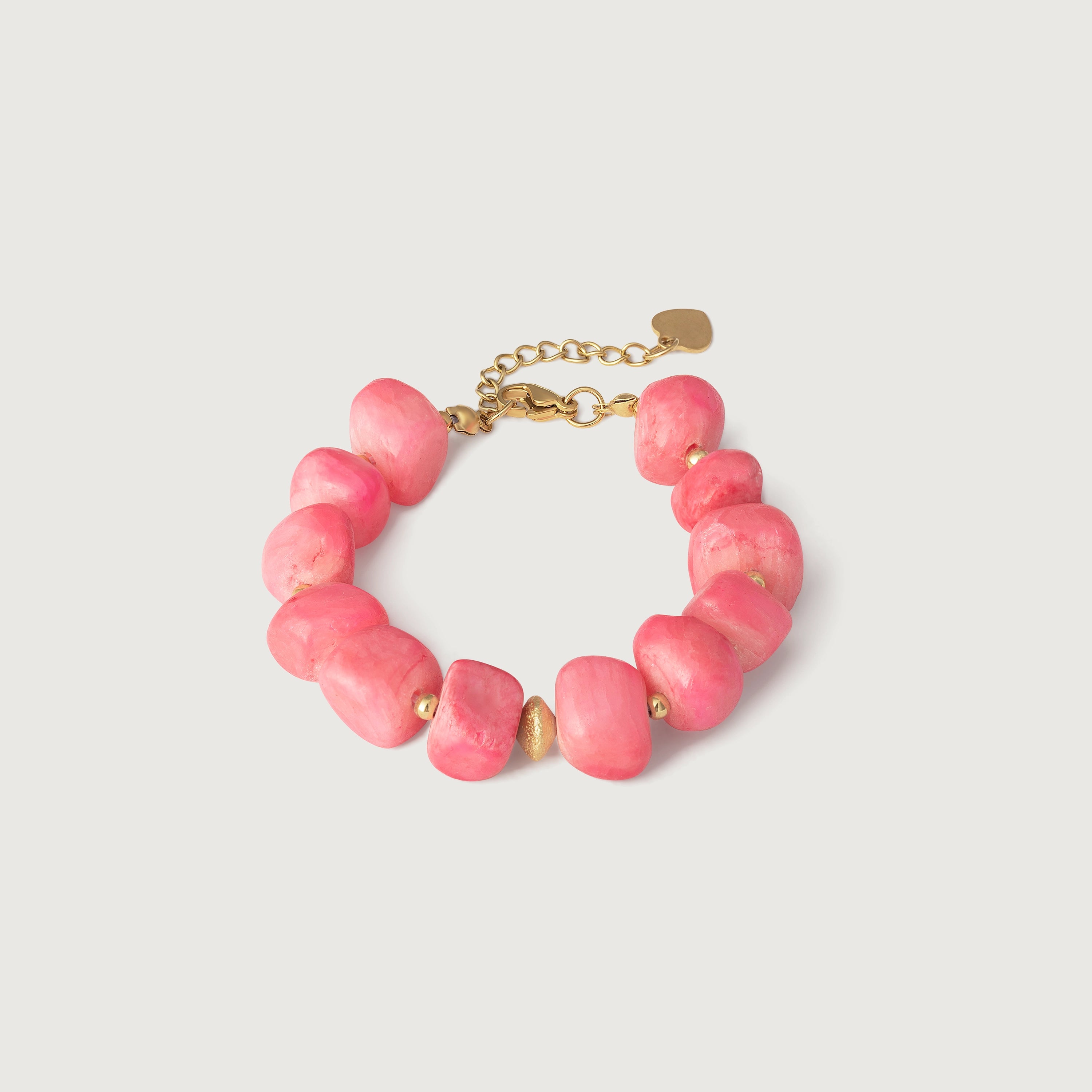
Solid bangles eliminate the weakest link—literally. No clasp to corrode or fail. If you prefer chain bracelets, invest in quality lobster clasps. Avoid magnetic clasps entirely; magnets and water don't mix well long-term. Our waterproof bracelets are built with secure closures that won't fail mid-workout or swim.
Waterproof Rings Built to Last
To give you a sense of what quality waterproof ring design looks like in practice, here are examples from our collection that showcase different styles—all rigorously tested for durability:


Red Flags That Scream "This Won't Last"
Brands making genuine waterproof jewellery are specific and confident. They'll tell you exactly what materials they use ("316L stainless steel," not "premium metal"). They'll explain their testing process. They'll stand behind their products with proper warranties.
Brands making questionable jewellery hide behind vague language: "water-friendly," "suitable for active wear," "ocean-inspired." These phrases mean nothing legally and suggest jewellery that can't handle what they're implying it can.
Watch Out For:
- Care instructions that contradict waterproof claims—"avoid prolonged water exposure" buried in fine print after big "WATERPROOF" headlines
- No specific material information—just vague "gold-toned" or "metallic" descriptions
- Pricing that's impossibly low for quality materials
- No mention of testing protocols or durability standards
- Lack of warranty or return policy
And pricing matters. You cannot make properly waterproof jewellery with quality materials and sell it for £3. The materials alone cost more. Rock-bottom prices indicate corners being cut somewhere, usually in material quality or construction.
Keeping Your Pieces Perfect
The beauty of genuinely waterproof jewellery is that it's low-maintenance, not no-maintenance. Quick rinses after swimming or workouts take seconds and make a massive difference. Every few weeks, clean pieces with warm water and gentle soap—a soft toothbrush works brilliantly for textured areas.
Simple Care Habits That Extend Lifespan:
- Rinse with fresh water after chlorine or saltwater exposure
- Quick rinse after sweaty workouts to remove acidic compounds
- Gentle cleaning every 2-3 weeks with mild soap and soft brush
- Avoid harsh chemicals like bleach or abrasive cleaners
- Dry pieces properly after cleaning to prevent mineral deposits
- Store pieces separately to prevent scratching
- Monthly inspections for loose stones, worn areas, or damage
Catching small issues early—a slightly loose stone, a worn clasp—means simple repairs rather than full replacements. That monthly once-over takes thirty seconds and can save you a lot of frustration down the line.
The Bottom Line
Quality waterproof jewellery changes how you move through your day. You're not constantly removing pieces, worrying about damage, or maintaining a separate "activity jewellery" collection. You wear what you love, regardless of what life throws at you.
The investment is worth it—not just financially (though pieces that last years cost less than constantly replacing cheap jewellery), but in sheer convenience and confidence. Your jewellery should enhance your life, not complicate it.
The Kaleya Studio Promise
At Kaleya Studio, we test every piece in actual gyms, swimming pools, and showers because we know you're not living in perfect conditions. You're living a full, active, real life—and your jewellery should keep up.
Our pieces have been rigorously tested to ensure they genuinely deliver on the waterproof promise. We've never had a piece cause green skin discoloration, even after extensive water exposure. This testing isn't just about quality—it's about creating jewellery that works with your actual lifestyle.
Ready to Find Pieces That Keep Up With You?
Explore our complete waterproof jewellery collection designed for how you actually live—from morning workouts to evening plans, without ever having to take them off.
Shop by Category:
Waterproof Earrings | Waterproof Necklaces | Waterproof Rings | Waterproof Bracelets
Questions about our waterproof jewellery? We're happy to help you find the perfect pieces for your lifestyle.