Sound familiar? Here's what most of us don't realize: that cycle of buying cheap jewelry, watching it fall apart, and replacing it isn't just frustrating and expensive—it's an environmental disaster. Meanwhile, the alternative seems to be spending hundreds on solid gold pieces that most of us simply can't afford.
But what if there's a better way? What if the sustainable jewelry choice isn't necessarily the most expensive one, but rather the one that's made properly in the first place?
Welcome to the case for quality gold plated jewelry—the sustainable middle ground that UK consumers have been searching for.
The Hidden Environmental Cost of Your Jewelry Drawer
Let's talk about what that £12 necklace actually costs the planet.
The Mining Reality Nobody Mentions
Traditional jewelry production has a devastating environmental footprint. To produce a single gold ring—just one—requires processing approximately 20 tonnes of mine waste. That's roughly equivalent to the weight of three adult elephants, destroyed and discarded for one piece of jewelry.
The process involves toxic chemicals like cyanide and mercury to extract gold from ore. These chemicals leach into water systems, poisoning rivers and affecting communities downstream for generations. Gold mining also destroys habitats, displaces wildlife, and generates massive carbon emissions through energy-intensive extraction processes.
Silver mining presents similar problems: habitat destruction, enormous water consumption, community displacement, and toxic waste that persists in ecosystems for decades.
And that's just for the precious metals. When you factor in gemstone mining—particularly diamonds—the environmental toll multiplies. Massive land disruption, water consumption, and in some regions, ongoing concerns about conflict stones that fund violence.
The Fast Fashion Jewelry Trap
But here's where it gets worse: cheap, fast fashion jewelry actually has a higher environmental impact than you might think.
Why? Because it's designed to fail.
That £8 ring isn't meant to last six months, let alone years. The plating is microscopically thin—sometimes as little as 0.05 microns (that's about 1/1000th the thickness of a human hair). It's manufactured with the cheapest possible base metals, minimal quality control, and absolutely no testing for durability or skin safety.
The business model depends on you coming back repeatedly. One purchase becomes five or ten over the course of a year as pieces break, tarnish, cause skin reactions, or simply fall apart.
Each of those purchases requires:
- Raw material extraction
- Manufacturing energy
- International shipping (most fast fashion jewelry ships from Asia to the UK)
- Packaging materials
- And eventually, landfill space when the piece inevitably breaks
Multiply that by millions of UK consumers, and fast fashion jewelry becomes an environmental catastrophe hiding in plain sight.
What UK Consumers Actually Want
Recent market research shows that UK consumers—particularly those under 40—increasingly prioritize sustainability in their purchasing decisions. According to recent surveys, over 60% of UK shoppers consider a brand's environmental impact before making a purchase, and that number rises to nearly 75% among Gen Z consumers.
But here's the disconnect: when it comes to jewelry, many people feel trapped between two unsatisfactory options.
Option A: Solid Precious Metals
The Challenge
Spend hundreds or thousands of pounds on solid gold or recycled precious metals
Genuinely sustainable (if recycled), will last a lifetime, but simply inaccessible for most people trying to build a versatile jewelry collection on a realistic budget
Option B: Fast Fashion
The Problem
Buy cheap jewelry that you can afford, but that falls apart quickly
May cause skin reactions, and contributes to environmental degradation through constant replacement
Neither option feels right. And for years, these felt like the only choices.
What UK consumers actually want is something different entirely:
- Transparency about where materials come from and how pieces are made
- Jewelry that lasts years, not weeks—durability over disposability
- Ethical production practices that don't exploit workers
- Accessible pricing that doesn't require choosing between your values and your budget
- Real sustainability backed by specifics, not vague "eco-friendly" marketing claims
The good news? That option exists. It's just been hiding in plain sight, buried under misconceptions about what "gold plated" actually means.
Why Quality Gold Plated Jewelry Can Be More Sustainable
Here's what most people don't understand: not all gold plated jewelry is created equal. The difference between fast fashion plating and quality gold plating is so dramatic that they're essentially different products entirely.
The Material Efficiency Advantage
Let's start with basic mathematics. A solid 14k gold ring might contain 3-5 grams of gold. At current prices, that's roughly £150-250 worth of gold alone, before you factor in design, craftsmanship, and retail markup.
A quality gold plated piece uses a tiny fraction of that gold—perhaps 0.1-0.2 grams—while still delivering the aesthetic of gold jewelry. The base metal (typically brass or a copper alloy in cheap jewelry, but high-quality hypoallergenic alloys in better pieces) provides structure and durability.
From a resource extraction perspective, this is significantly more efficient. You're getting the look and much of the durability of gold jewelry while requiring dramatically less mining, refining, and processing of precious metals.
But—and this is crucial—this only works as a sustainable choice if the piece actually lasts. If you're replacing it every two months, any material efficiency gains are wiped out by the replacement cycle.
This is why quality matters so profoundly.
The Critical Difference: Thickness and Testing
Fast fashion gold plating is typically 0.05 to 0.175 microns thick. It's so thin it's almost decorative rather than functional. This plating wears off within weeks of normal use—sometimes within days if you shower or exercise while wearing it.
Quality gold plating—the kind used by responsible brands—is typically 2.5 microns or thicker. Some premium pieces use 5+ microns. That might not sound like a huge difference, but it's 15 to 100 times thicker than fast fashion plating. That translates to years of wear instead of weeks.
The Kaleya Studio Difference
At Kaleya Studio, we use advanced multi-layer plating systems that bond at the molecular level, creating jewelry that's been rigorously tested in real-world conditions:
- Gym sessions with sweat and friction
- Swimming pools with chlorine exposure
- Showers with various water types
- Daily wear and tear over extended periods
Our pieces have never caused green skin discoloration, even after extensive water exposure. This testing isn't just about quality—it's about sustainability. Jewelry you can wear constantly is jewelry that doesn't get replaced.
The Longevity Factor: Real Numbers
Let's break down the actual environmental and financial comparison:
Fast Fashion Scenario
Purchase: £12 necklace
Lifespan: 2-3 months
Annual replacements: 4-6 pieces
Annual cost: £48-72
Three-year cost: £144-216
Environmental impact: 12-18 separate manufacturing cycles, shipping events, and eventual landfill deposits
Quality Gold Plated Scenario
Purchase: £45 necklace
Lifespan: 2-3+ years
Replacements needed: 0-1
Three-year cost: £45-90
Environmental impact: 1-2 manufacturing cycles, significantly reduced shipping, minimal waste
The quality piece costs less over time, even before considering the environmental benefits. When you factor in reduced resource extraction, fewer shipping emissions, and dramatically less waste, the sustainability case becomes overwhelming.
Making Sustainability Accessible
Here's something that doesn't get discussed enough: sustainability can't just be for the wealthy.
If the only "ethical" jewelry option is £500 recycled gold pieces, then sustainability becomes a luxury good accessible only to the affluent. The vast majority of people—students, young professionals, families on tight budgets—are forced into the fast fashion cycle not by choice, but by economic necessity.
Quality gold plated jewelry at accessible price points (typically £30-80 for most pieces) makes sustainable choices available to a much broader range of consumers. A university student in Manchester can build a versatile, long-lasting jewelry collection for £200-300 that will serve them for years, rather than spending the same amount annually on fast fashion pieces that constantly need replacing.
This accessibility is itself a form of sustainability. When more people can afford to choose quality over quantity, the overall environmental impact of the jewelry industry decreases.
How Kaleya Studio Approaches Sustainable Production
We founded Kaleya Studio with a specific frustration in mind: why was it so difficult to find jewelry that was beautiful, durable, affordable, and responsibly made?
The UK market seemed to offer only extremes—dirt-cheap pieces that fell apart immediately, or luxury items priced beyond most people's reach. We believed there was space for something in between: properly made jewelry at honest prices, produced with genuine attention to environmental and social responsibility.
Our Sustainable Practices
Material Sourcing
We prioritize responsibly sourced materials and use recycled metals where possible. Our gold plating comes from suppliers with documented ethical practices, and we're continuously working to increase our use of recycled gold as availability improves.
Production Methods
Our manufacturing partners in the UK and EU adhere to environmental standards including wastewater treatment, energy-efficient facilities, and fair labor practices. Yes, this costs more, but it's non-negotiable.
Quality Over Quantity
We design pieces for longevity, not obsolescence. Every design undergoes extensive real-world testing to ensure it can handle gym sessions, pools, showers, and daily wear without degradation.
Transparency
We're honest about our practices, our limitations, and our ongoing journey toward better sustainability. Perfection isn't the goal—continuous improvement is.
Why Our Testing Matters for Sustainability
Our rigorous testing process serves sustainability in a direct way: jewelry you can wear 24/7 without removing it for showers, gym sessions, or swimming is jewelry that actually gets worn. It doesn't sit in a drawer because it's "too delicate." It doesn't get left behind on a sink somewhere and lost. It becomes part of your daily life, which means you need fewer pieces overall.
This testing ensures:
- Water resistance eliminates the need for constant removal and risk of loss
- No skin reactions means pieces get worn, not abandoned in drawers
- Durability testing creates genuine longevity—one purchase instead of many replacements
- Versatile pieces reduce the need for multiple specialized items
Building Your Sustainable Collection: Practical Strategies
Understanding sustainability is one thing. Actually building a jewelry collection that reflects those values while working within a real-world budget is another. Here's how to do it strategically.
The Mindful Purchase Checklist
Before You Buy, Honestly Ask:
- The wear test: Will I realistically wear this at least once a week for the next year?
- The versatility test: Does this work with at least 5 different outfits I already own?
- The duplicate test: Do I already have something similar, or does this fill a genuine gap?
- The trend test: Am I buying this because I genuinely love it, or because it's currently trendy on social media?
- The quality test: What's the plating thickness? What are the base materials? How is it made?
- The transparency test: Does the brand explain their sustainability practices with specifics, or just vague claims?
- The care test: Am I willing to properly care for this piece to maximize its lifespan?
- The budget test: Can I afford the quality version, or am I settling for cheap because I'm impatient?
Comparing Your Sustainable Options
Quality Gold Plated
Best for: Building versatile, everyday collections on realistic budgets
Sustainability: Good to Very Good - significantly reduced gold usage, long-lasting with proper care
UK availability: Growing, with brands like Kaleya Studio
Typical cost: £30-80 per piece
Solid Recycled Gold/Silver
Best for: Investment pieces and heirlooms
Sustainability: Excellent - zero new mining required, infinitely recyclable
UK availability: Good, with increasing options
Typical cost: £150-500+ per piece
Vintage and Secondhand
Best for: Unique finds and one-of-a-kind pieces
Sustainability: Excellent - zero new production, truly circular economy
UK availability: Excellent (strong vintage market)
Typical cost: Highly variable (£10-300+)
Alternative Materials
Best for: Minimalist styles and very active lifestyles
Sustainability: Good - extremely durable, low environmental impact
UK availability: Good
Typical cost: £15-60 per piece
Spotting Greenwashing: What to Watch For
As sustainability becomes more important to consumers, some brands make misleading claims to appear eco-conscious without genuine commitment. Here's how to spot greenwashing in jewelry marketing.
Red Flags That Suggest Greenwashing
- Vague "eco-friendly" claims without specific details about what makes the jewelry sustainable
- "Natural" materials presented as inherently sustainable (natural doesn't mean low-impact; mining is "natural" but devastating)
- One small green initiative used to market entire brand as sustainable while core products remain problematic
- No transparency about suppliers, materials origins, or manufacturing locations
- Certifications you can't verify or made-up "eco" badges with no third-party validation
- "Ethical" messaging without specific information about labor practices or working conditions
What Genuine Sustainability Looks Like
- Specific information: "Our plating uses recycled gold from [certified supplier]" rather than just "eco-friendly materials"
- Transparent limitations: Honest about what they're doing well and where improvement is needed
- Verifiable certifications: RJC (Responsible Jewellery Council), Fairmined, Fairtrade Gold—credentials you can independently verify
- Longevity focus: Emphasis on durability, care instructions, repair services
- Supply chain visibility: Information about where materials come from and who makes the jewelry
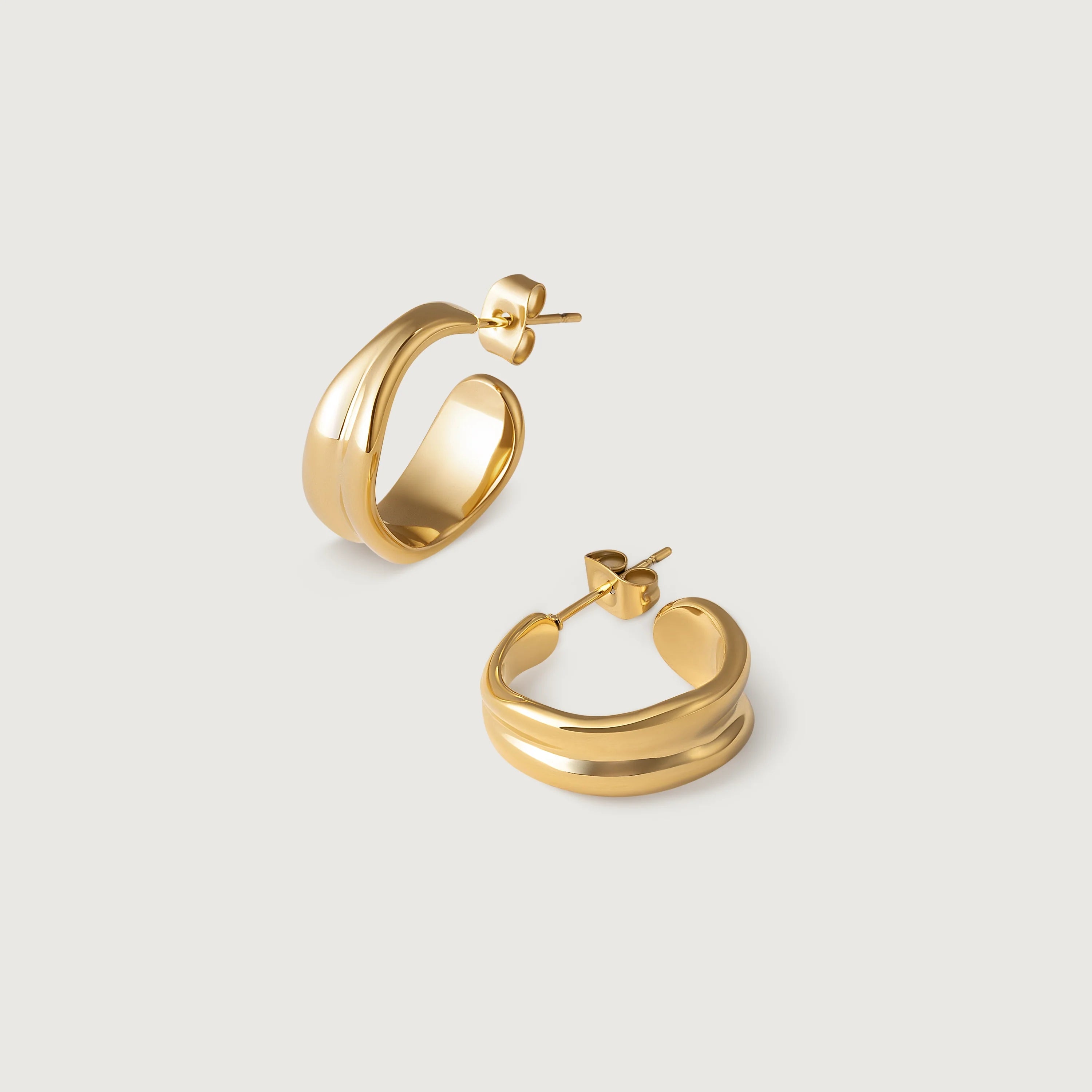
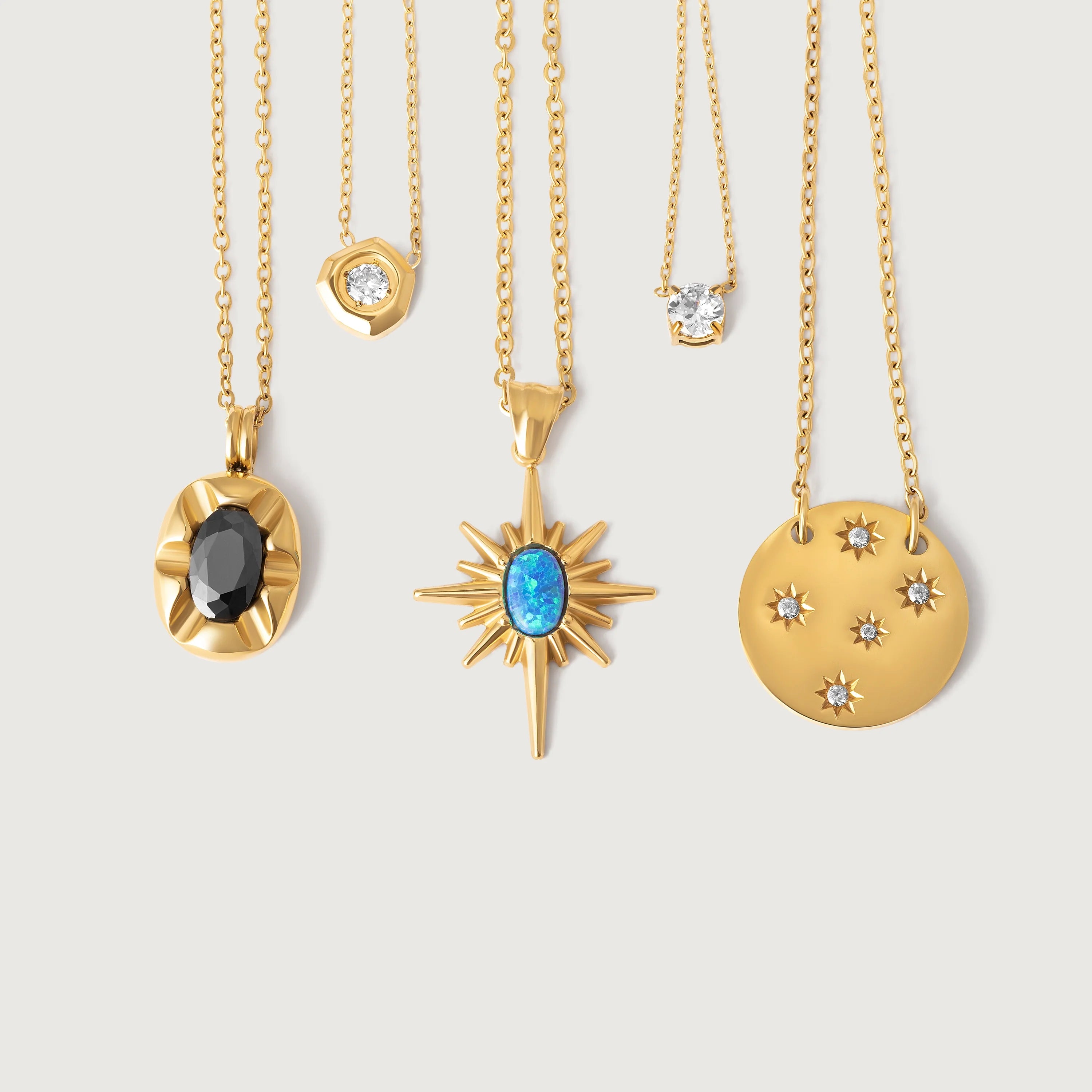
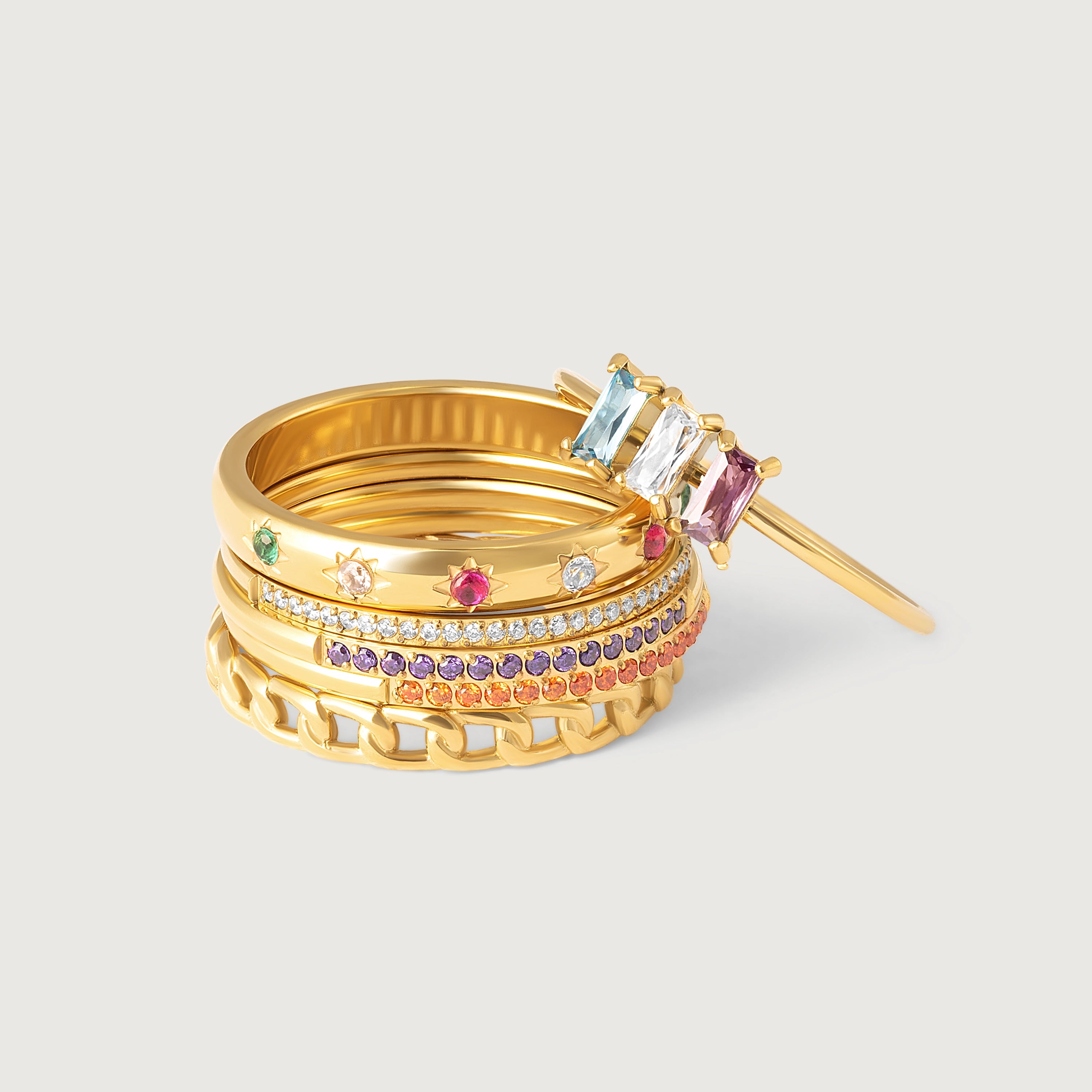
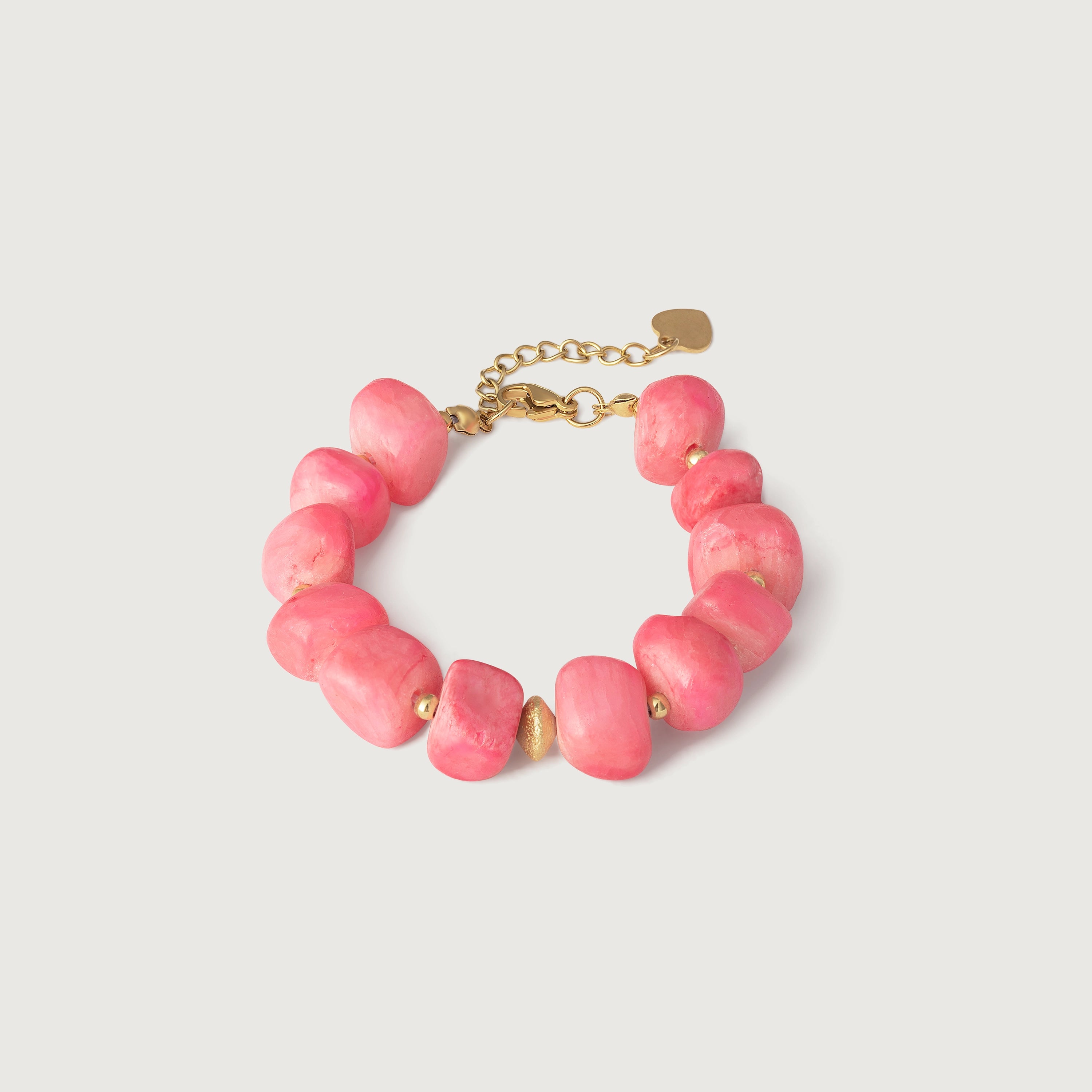
Sustainable Jewelry Collection: Quality Pieces That Last
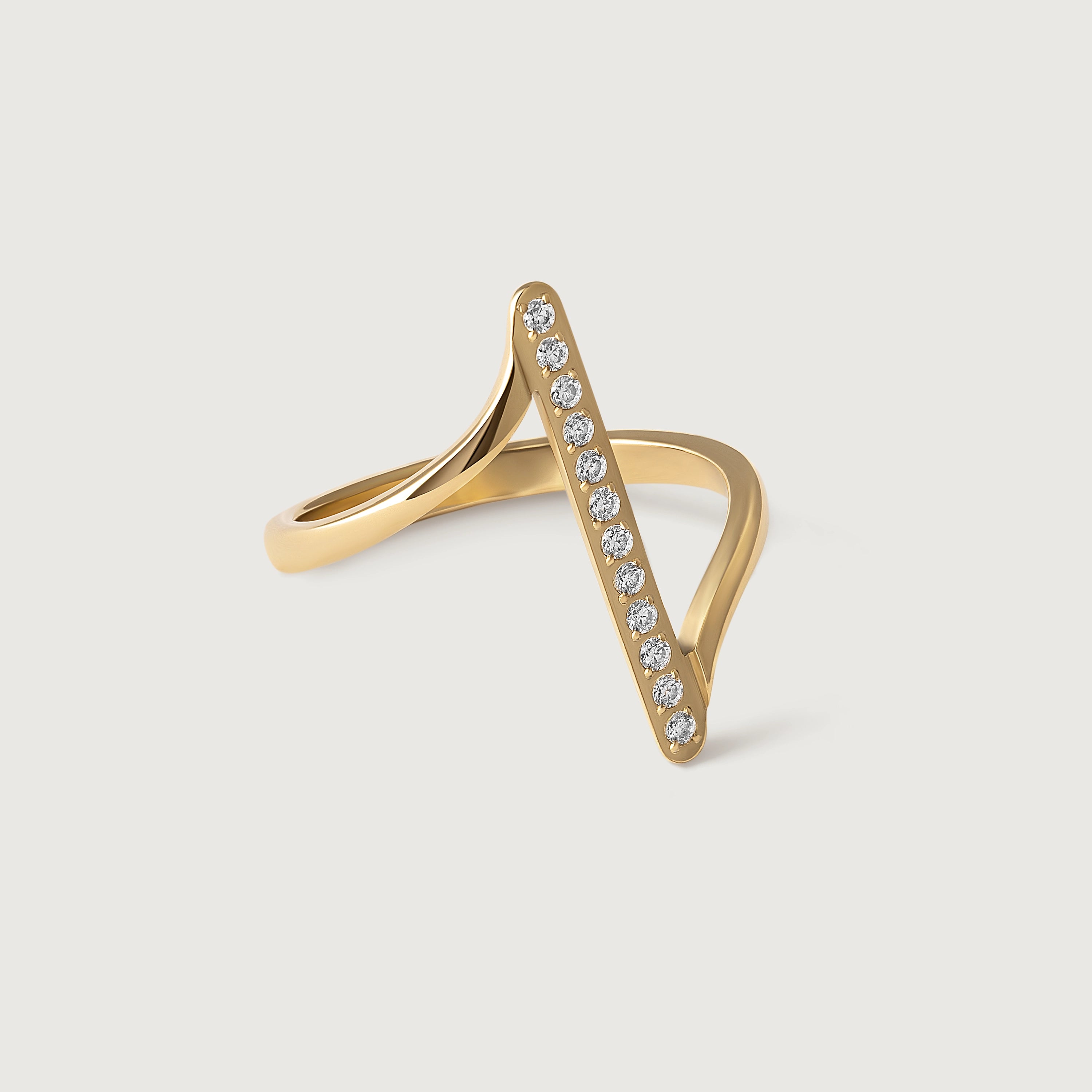
At Kaleya Studio, every piece in our collection demonstrates how quality gold plated jewelry can be both beautiful and genuinely sustainable. These pieces showcase our commitment to durability, responsible production, and accessible pricing.



Your Action Plan: Making the Switch
Ready to transition to a more sustainable jewelry collection? Here's your step-by-step plan.
Step 1: Assess Your Current Collection
- Gather all your jewelry in one place
- Sort into three categories: wear regularly, wear occasionally, never wear
- For items you never wear: decide to sell, donate, or discard responsibly
- Identify gaps: what do you reach for but don't have?
Step 2: Stop the Fast Fashion Cycle
- Pause buying any new jewelry for 30 days
- Pay attention to what you actually wear vs. what sits unused
- Research sustainable brands during this time
- Unsubscribe from fast fashion jewelry marketing emails
Step 3: Build Gradually with Quality
- Choose one foundational piece you'll wear constantly
- Invest in quality rather than multiple cheap items
- Add 2-3 additional quality pieces over the year
- Practice proper care habits with all pieces
Conclusion: Sustainable Style Within Reach
Here's what we've learned: sustainable jewelry isn't about perfection, and it's not only for the wealthy.
The most sustainable jewelry choice isn't necessarily the most expensive one—it's the one that gets worn consistently for years instead of months. It's jewelry made properly the first time, by brands that care about environmental and social impact, priced accessibly enough that real people can choose it over fast fashion.
Quality gold plated jewelry represents exactly that opportunity. When it's made properly—with adequate plating thickness, skin-safe materials, and real durability testing—it delivers years of wear at a fraction of the environmental and financial cost of either fast fashion or newly-mined precious metals.
At Kaleya Studio, we've built our entire approach around this principle: jewelry that's beautiful, durable, accessible, and honestly sustainable. Our pieces undergo real-world testing because we believe the most sustainable jewelry is jewelry that works with your actual life—gym sessions, showers, pools, and daily wear without constantly needing removal or causing skin reactions.
The path forward is simple:
- Stop the fast fashion jewelry cycle by refusing to replace pieces before they actually break
- Research brands for transparency, not just marketing claims
- Build your collection gradually with quality pieces that will last
- Care properly for what you buy to maximize its lifespan
- Support brands doing it right, because your purchasing decisions drive industry change
Sustainable style isn't about sacrifice. It's about being intentional—choosing pieces you'll actually wear, from brands that make them properly, and caring for them so they reach their full potential.
Your jewelry tells a story about who you are. Make it a story you're proud of.
Ready to Build Your Sustainable Collection?
Explore Kaleya Studio's rigorously tested, responsibly produced jewelry designed for real life.
Shop with confidence:
Sustainable Necklaces | Long-Lasting Rings | Quality Earrings | View All Collections
Questions about our sustainability practices? We're transparent and happy to answer. Contact us anytime.